RST Blog
Why Transportation Equity Is the Next Frontier in Education Access
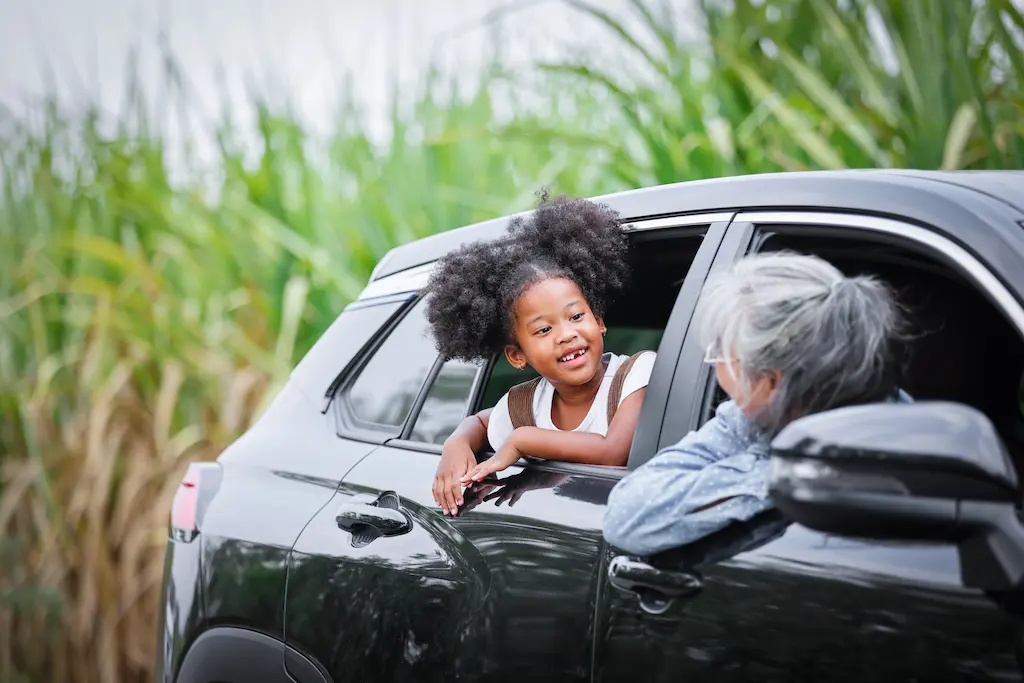
A district’s commitment to equity doesn’t begin in the classroom. It begins on the way there.
School districts across the country are working to close achievement gaps, expand access to programs, and strengthen outcomes for all students. But one factor continues to sit quietly at the center of nearly every educational inequity:
Transportation.
Who gets to school easily — and who doesn’t — determines far more than attendance.
It shapes opportunity.
And for many districts, ensuring transportation equity is becoming one of the most impactful ways to improve access, support vulnerable populations, and advance student success.
What Transportation Equity Actually Means
Transportation equity doesn’t mean giving every student the same route.
It means ensuring every student has a fair chance of getting to school safely, consistently, and with dignity — no matter their zip code, ability status, family schedule, or financial situation.
Transportation equity is built on three pillars:
1. Access
Students must have a reliable way to get to school, programs, and supports.
2. Safety
Transportation must meet physical, emotional, and relational safety needs.
3. Participation
Students must be able to fully participate in opportunities because transportation isn’t a barrier.
Without these three elements, equity becomes an idea — not a reality.
The Equity Gaps Districts See Every Day
Many of the barriers students face start long before a teacher takes attendance:
1. Students living outside bus routes
Economic displacement pushes families farther out, leaving many without district transportation options.
2. Students with disabilities or medical needs
Traditional transportation often lacks consistency, specialization, or predictability.
3. Students facing housing instability
McKinney-Vento students frequently miss school due to unpredictable commutes.
4. Students in attendance interventions
Those who need school the most are often the least supported in getting there.
5. Students with caregivers who work nontraditional hours
Parents simply cannot always provide daily transportation — even when they want to.
These aren’t small hurdles.
They’re systemic barriers that shape who gets access to education.
How Transportation Inequity Impacts Learning
Transportation isn’t just a logistical concern. It directly affects academic and behavioral outcomes:
- Higher absenteeism
- Lower graduation rates
- Less access to after-school programs
- Reduced participation in tutoring or interventions
- Increased tardies and missed instructional minutes
- Greater family stress and disengagement
The distance between a home and a school becomes the distance between a student and opportunity.
The Shift: Districts Are Prioritizing Transportation Equity
Forward-thinking districts are asking a new question:
How do we close the transportation gap so we can close every other gap?
Instead of relying solely on traditional fleets, they’re adopting small, flexible, community-embedded transportation models — models that:
- support individual student needs
- reach families outside traditional routes
- provide specialized services
- create predictable routines
- build trust with underserved communities
This is where Reliable Student Transport leads the way.
How RST Supports Transportation Equity
Our model is designed to meet the needs of students who have historically been underserved by traditional transportation systems.
1. Staff-Driven Transportation
Students are driven by licensed teachers or school staff — familiar, trusted adults who understand school culture, expectations, and student needs.
2. Flexible, Individualized Routes
We build routes around students who can’t access standard busing systems, including:
- students with disabilities
- students with chronic absenteeism
- McKinney-Vento students
- students in alternative education programs
- students living outside designated boundaries
3. Support for Special Education Teams
Our trained drivers create stable, predictable routines that reduce anxiety and improve behavioral regulation — especially for students with IEPs or 504 plans.
4. Access to Programs Beyond the School Day
Equity doesn’t stop at 3 p.m.
We support tutoring, after-school programs, and community services so students aren’t left out because of transportation barriers.
5. Real-Time Visibility for Schools and Families
GPS tracking, communication tools, and attendance monitoring give families and administrators confidence and clarity.
Equity requires transparency.
RST provides it.
The Impact: When Transportation Is Equitable, Everything Changes
Partner districts report improvements in:
- Attendance and participation
- On-time arrivals
- Academic engagement
- Family satisfaction
- Special education outcomes
- Trust between schools and communities
Transportation becomes a catalyst — not a barrier.
Transportation Equity Is the First Step Toward Education Equity
Districts invest in intervention programs, curriculum, social-emotional support, and school safety.
But none of it matters if a child can’t get to school.
Transportation equity ensures:
- students show up
- families feel supported
- districts can meet achievement goals
- opportunities reach every home
It’s not the final piece of the puzzle — it’s the first.
Final Thought: Access Is a Promise — Not an Assumption
Every student deserves a fair chance to learn.
Transportation equity makes that possible.
Districts that lead with equity don’t just move students —
they move outcomes, communities, and futures.
CTA: Ready to Build Transportation Equity in Your District?
Let’s talk about creating a model that expands access, restores trust, and supports every student’s journey.
→ Schedule a Conversation with RST