RST Blog
Transportation Solutions for Students With Disabilities: What Actually Works
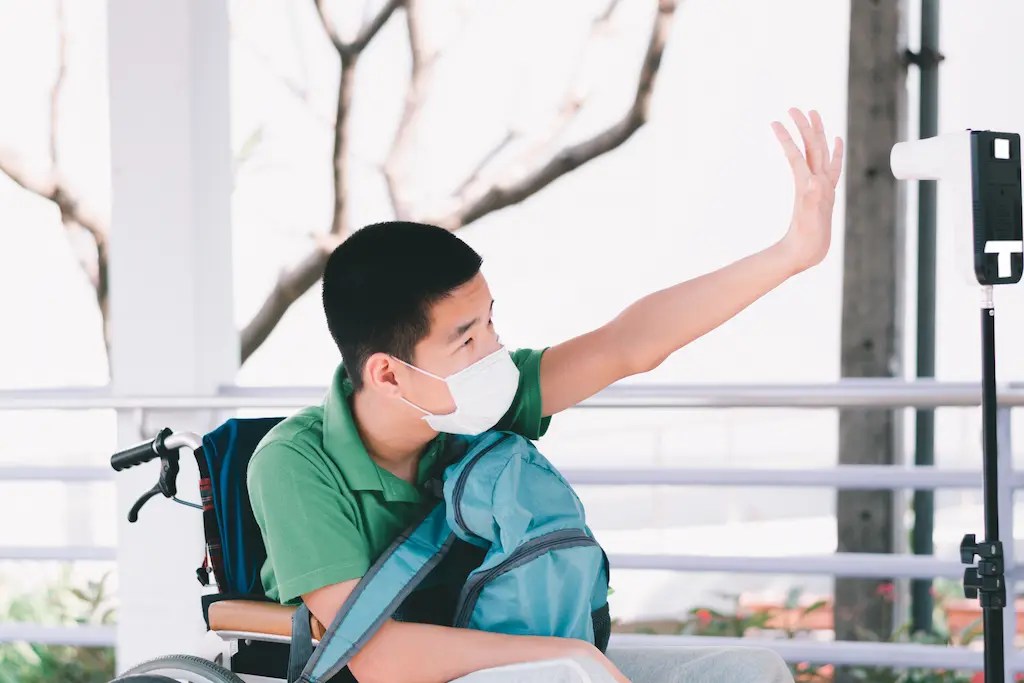
Why traditional systems fall short — and how schools can create safer, more supportive transportation for students with unique needs.
For many students with disabilities, the journey to school is more than a routine commute — it’s a critical part of their daily support system. When transportation isn’t reliable, accessible, or personalized, students face unnecessary barriers before learning even begins.
But here’s the truth districts know well:
transportation for students with disabilities isn’t just logistics. It’s care.
And care requires a model built around training, consistency, and meaningful human connection — not just a vehicle.
Districts partnering with Reliable Student Transport are finding a different approach: one that truly supports students, families, and special education teams.
Where Traditional Transportation Falls Short
Students with disabilities often experience challenges that standard systems simply weren’t designed to solve.
Common issues include:
1. Inconsistent Drivers
Students with sensory, cognitive, or emotional needs rely on routine. Every new face increases anxiety and disrupts stability.
2. Long or unpredictable routes
Extended travel times or sudden schedule shifts can overwhelm students, escalate behaviors, or cause them to miss essential morning supports.
3. Limited communication
Parents and special education teams rarely know:
- who is driving
- when the student will arrive
- if there were challenges during the ride
This lack of transparency creates gaps in safety and instructional planning.
4. Drivers without specialized training
Traditional contractors often lack training in:
- de-escalation
- sensory considerations
- mobility support
- communication techniques
- IEP/504 accommodations
This isn’t a driver failing — it’s a system failing.
Students with disabilities deserve more.
What Actually Works: A Transportation Model Built for Individual Needs
Districts are increasingly turning to small, personalized transportation models that provide what large fleets cannot: consistency, connection, and care.
Here’s what makes the biggest difference:
1. Familiar, Trusted Drivers
Reliable Student Transport uses licensed school staff — educators, paraprofessionals, and student support personnel — who already understand:
- disability accommodations
- student triggers
- communication preferences
- calming strategies
When the driver is someone a student already knows, the ride becomes safer and emotionally easier before it even begins.
2. Short, Predictable Routes
Smaller, staff-driven transport allows districts to:
- shorten travel times
- match students with appropriate environments
- maintain consistent pickup/drop-off patterns
- reduce overwhelming transitions
Predictability is not a luxury — it’s an accommodation.
3. Training That Reflects Real Classroom Understanding
RST drivers receive specialized training aligned with school expectations, including:
- behavior and crisis prevention
- respectful communication techniques
- mobility support and securement
- trauma-informed care
- de-escalation strategies
- confidentiality & FERPA considerations
It mirrors the same excellence you expect inside the classroom — because the ride is an extension of their day.
4. Real-Time Communication With Families and Schools
Our platform gives districts and families:
- GPS tracking
- notifications
- attendance confirmations
- quick communication with RST support
This helps special education teams plan more effectively for:
- morning routines
- medication schedules
- transition prep
- behavioral supports
Everyone stays aligned.
5. Flexibility for IEP and 504 Requirements
Because staff-driven transportation is built around individuals, not mass routing, districts can better honor:
- door-to-door needs
- specialized seating
- sensory-sensitive environments
- equipment accommodations
- staggered arrival support
Transportation becomes truly student-centered — not one-size-fits-all.
How This Model Changes Outcomes
Districts using RST for special education transportation report:
- Reduced student anxiety
- Fewer morning behavior escalations
- Improved on-time arrival
- Better collaboration between school and home
- Increased family satisfaction
- More consistent attendance
When transportation supports students instead of overwhelming them, everything downstream improves.
Transportation Is Instructional Support — Not Just Transit
For students with disabilities, transportation isn’t “extra.”
It’s part of their continuum of care.
It influences:
- emotional readiness
- regulation
- engagement
- academic participation
- social connection
When the ride works, the school day works.
Final Thought: Students Thrive When Their Needs Come First
Districts don’t need bigger buses or more complex systems — they need transportation that understands the child as much as the route.
Reliable Student Transport is proving that when rides are safe, predictable, and relational, students with disabilities gain the secure foundation they need to learn, grow, and flourish.
Want to Strengthen Special Education Transportation in Your District?
Let’s partner to build a transportation model that truly supports your students — with dignity, care, and consistency.
→ Connect with Reliable Student Transport