RST Blog
The Future of School Transportation: From Yellow Buses to Smart, Human-Centered Solutions
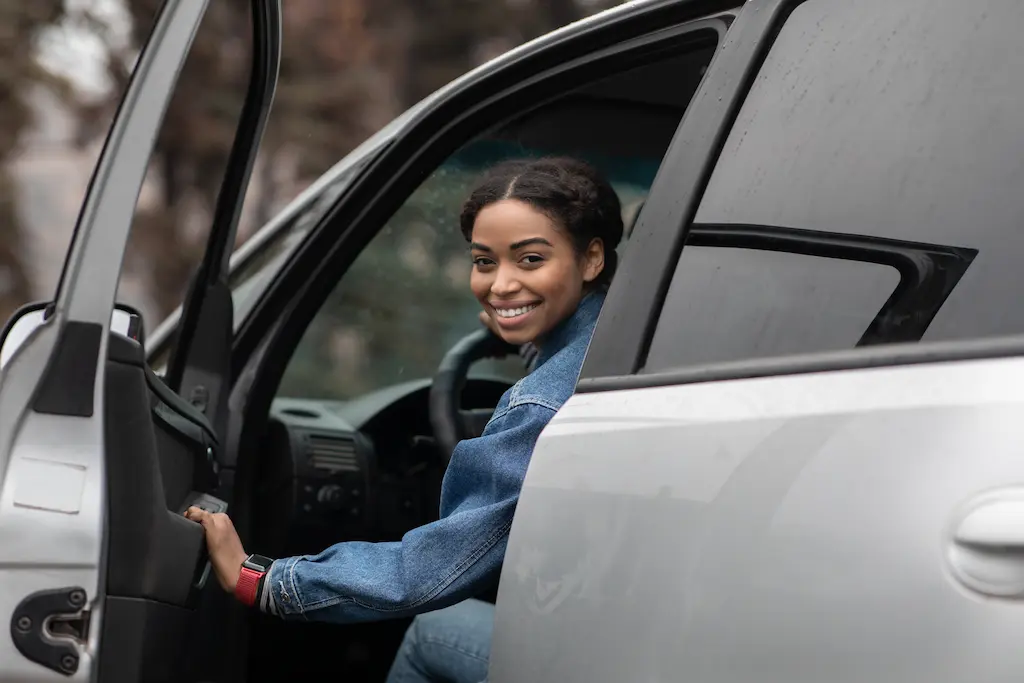
What districts are learning as they move beyond outdated systems and toward transportation models built on connection, flexibility, and real student needs.
For decades, the yellow bus has been the unquestioned symbol of how American students get to school.
It’s iconic, dependable, and familiar — but in many ways, it’s also outdated.
Long routes. Driver shortages. Rigid schedules. Limited flexibility.
These challenges are pushing district leaders to rethink not the purpose of transportation, but the model itself.
A new era of school transportation is emerging — one that is smaller, smarter, more relational, and designed for the realities families face today.
And districts adopting these models are seeing stronger attendance, higher family trust, and more meaningful student support.
What’s Changing: The Pressures Redefining School Transportation
Districts across the country are confronting challenges that traditional systems weren’t built to handle:
1. National driver shortages
Bus systems are stretched thin, leaving schools scrambling to fill routes.
2. Increasing transportation needs for special populations
Students with disabilities, McKinney-Vento, and alternative program students require more individualized solutions.
3. Shifts in housing and population distribution
Families living farther from school boundaries often fall outside route eligibility.
4. Higher expectations for transparency and communication
Parents want real-time updates, safety assurance, and clear accountability.
5. Attendance crises
Districts cannot afford transportation-based barriers that fuel chronic absenteeism.
These pressures are leading districts to rethink what’s possible — and what’s necessary.
The Next Generation of Student Transportation
Forward-thinking districts aren’t replacing buses — they’re augmenting them with flexible, human-centered systems that close access gaps and improve student outcomes.
The future of transportation is defined by five shifts:
1. From Mass Transport to Flexible Transport
Large buses will always have a place.
But smaller, specialized transportation fills the gaps big systems can’t.
Flexible models support:
- students with irregular schedules
- students living outside route zones
- students in intervention programs
- students with disabilities requiring individualized support
When districts diversify their transportation tools, more students get to school.
2. From Anonymous Drivers to Familiar Faces
Parents and students want more than a safe driver — they want someone they trust.
RST’s model uses licensed school staff as drivers, creating:
- higher emotional safety
- better communication
- consistent relationships
- greater family trust
Transportation becomes an extension of school culture — not a separate entity.
3. From Paper Routes to Real-Time Visibility
Modern transportation relies on technology that empowers both schools and families:
- GPS tracking
- instant notifications
- attendance verification
- route optimization
- transparent communication
Parents stay informed.
Schools stay accountable.
Students stay safer.
4. From One-Size-Fits-All to Student-Centered Design
The future is personalized.
Districts are shifting toward transportation solutions that adapt to:
- mobility needs
- sensory sensitivities
- behavioral supports
- medical requirements
- academic interventions
Transportation becomes part of the student’s support plan — not an afterthought.
5. From Transportation as Logistics to Transportation as Equity
Access to school equals access to opportunity.
Districts leading the future understand:
Transportation determines attendance.
Attendance determines achievement.
Achievement determines lifelong outcomes.
A student’s zip code or disability should never dictate their ability to access education.
How Reliable Student Transport Fits Into the Future
RST is built on the principles shaping tomorrow’s transportation landscape:
- Smaller, flexible routes tailored to student needs
- Staff-driven transportation anchored in trust and safety
- Real-time communication tools for families and administrators
- Specialized training for serving students with disabilities
- Data and accountability for attendance teams
- A community-centered transportation model that restores trust
It’s not transportation reinvented — it’s transportation realigned with what schools need today.
What Districts Are Seeing in Early Adoption
Schools partnering with RST report:
- Reduced chronic absenteeism
- Better on-time arrival rates
- Stronger family-school relationships
- Increased participation in after-school programs
- Improved support for special education students
- Faster responsiveness to transportation disruptions
This isn’t theoretical improvement.
It’s measurable impact.
Final Thought: The Future Is Human
Technology will continue to improve transportation.
Data will continue to guide decisions.
But the most meaningful shift is this:
The safest ride is one driven by someone who knows the student inside the vehicle — not just the route outside the window.
Districts that embrace community-rooted, human-centered transportation will lead the next chapter of educational access.
The future isn’t buses or vans.
It’s people.
Want to Build the Future of Transportation in Your District?
Let’s talk about how RST can support your goals for safety, equity, and attendance.
→ Connect with Reliable Student Transport